China’s Construction of an Alternative Financial System
Project leader: Johannes Petry, Goethe University Frankfurt
Finance has always been a core foundation of empires. Especially since the capitalist era, control over capital flows, currency regimes, and financial institutions has enabled empires to extract value and entrench long-term economic dependencies. Since the collapse of Bretton Woods, the global financial system has historically been dominated by American financial institutions.
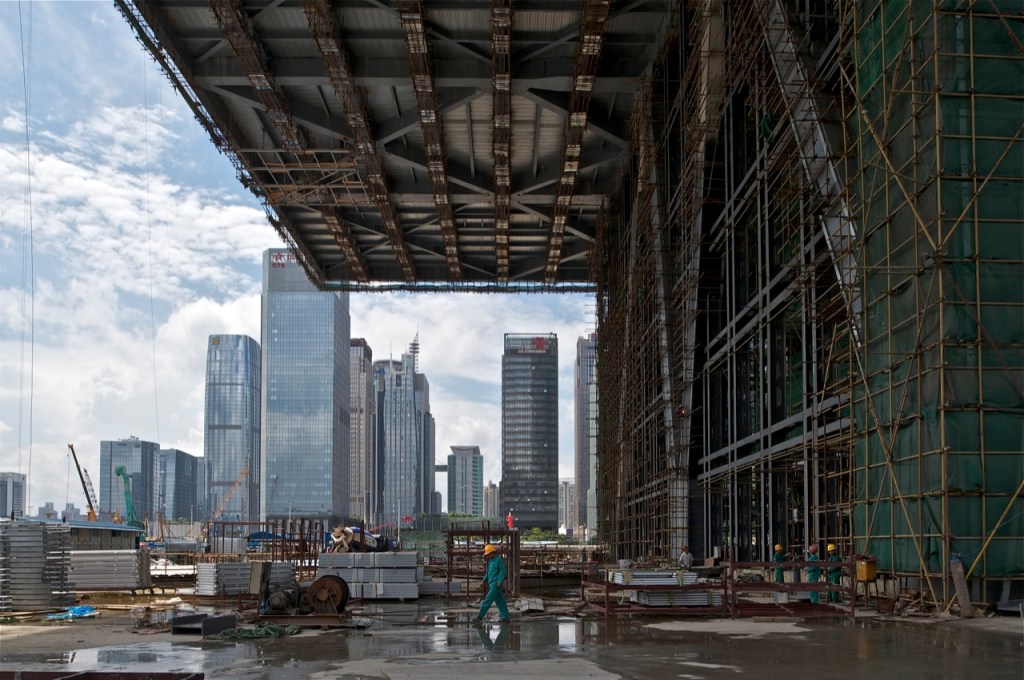
However, China has also become a key node within the global financial system. In recent decades, scholars have therefore devoted increasing attention to China’s rise within global finance—from identifying China’s different state-market configurations, to understanding its controlled financial opening and internationalization within a neoliberal, US-dominated global financial order. Recent geoeconomic shifts—most notably the strategic weaponization of financial interdependencies by the United States—have catalyzed a radical transformation, creating new fault lines and raising important questions about China’s future role in global finance. While in the past, we have observed China’s (controlled) integration into a neoliberal, US-dominated global financial system, this project focuses on the subsequent shift in China’s global financial practices—notably its construction of a Sinocentric financial system as part of its larger project of empire building.
The project thus analyzes this transformative phase by addressing three interlinked questions:
- Why is China creating a parallel financial system (learning)?
- How is it doing this (practices)?
- And what implications do these shifts have for global patterns of autonomy and dependence (outcomes)?
The project therefore aims to understand policy learning processes in China’s financial policymaking, to investigate the creation of intermediaries and infrastructure control as imperial practices, and to analyze the implications of all this for global patterns of financial autonomy and dependence. Specifically, the project focuses on two interlinked policies that seek to create crucial preconditions for a financial empire—China’s efforts to gain pricing power in commodity markets and its endeavor to support the internationalization of Chinese capital.
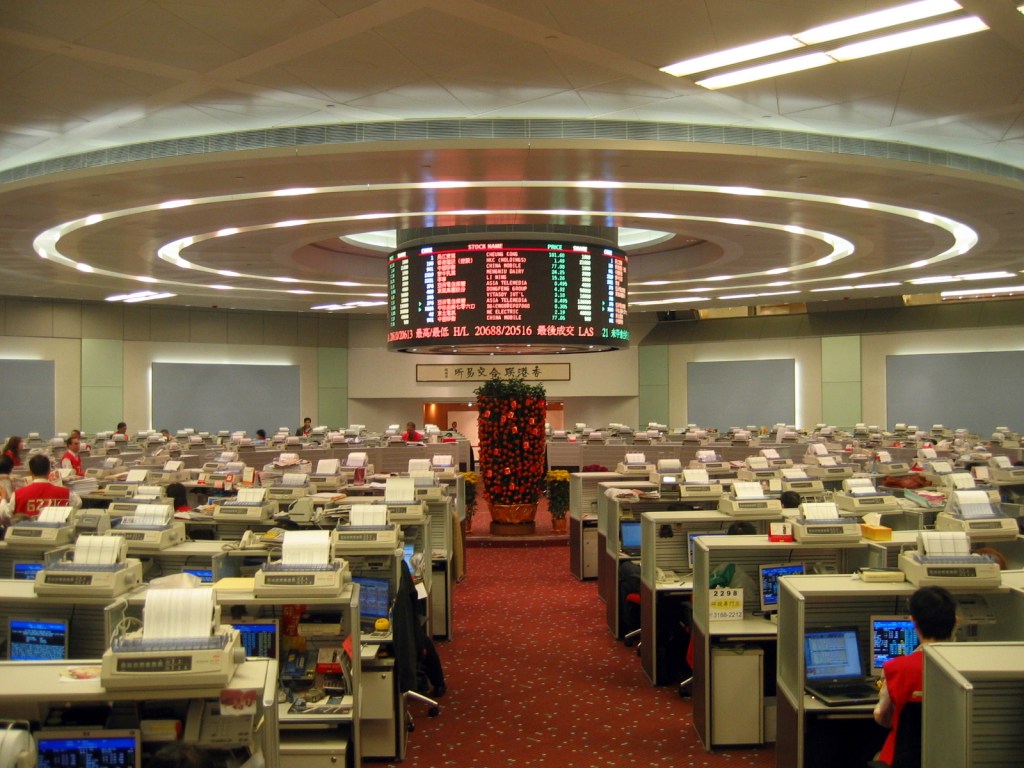
The project draws on a multi-method design that combines descriptive statistics, policy document analysis, fieldwork, and several case studies (Shanghai, Beijing, Hong Kong, Singapore, Abu Dhabi, London, Chicago, New York) to explore the potential emergence of an alternative Sinocentric network of financial flows, actors, and markets within the broader process of empire building.
 Learning Empire