Peripheralization along Chinese-led Green Value Chains
Project Leader: Tobias ten Brink, Constructor University, Bremen
The emergence of past empires often went hand in hand with the rise of new economic sectors and technologies in the imperial center and their expansion abroad. This project focuses on the Chinese quest to attain dominance in key industries of the green energy transition by establishing centrality in the value chains for solar photovoltaics (PVs), electric vehicles (EVs), and batteries. Driven in part by Western restrictions such as tariffs, since the late 2010s, there has been a reorientation of Chinese green businesses—especially toward Southeast Asia (SEA).
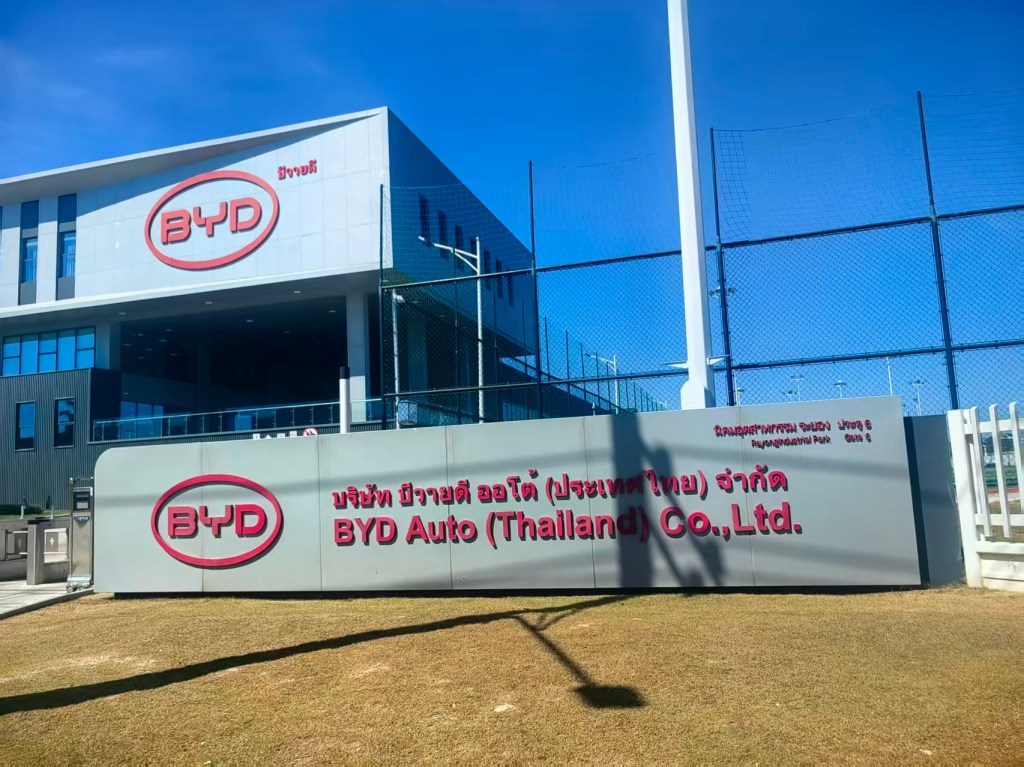
First, the project asks how party-state decision-makers are adapting policies to attain and consolidate dominance in green industries while ensuring effective state-business alignment.
Second, to better understand the practices of Chinese state-business coalitions, we investigate two causal mechanisms that are vital for consolidating this dominance: establishing centrality in transnational value chains and creating intermediaries abroad, along those value chains.
Third, in terms of outcomes, we are interested in whether China has in fact managed to create a “green” economic empire, thereby increasing its autonomy, and to what extent actors from SEA have been peripheralized.
Process tracing helps us identify change from the early 2010s to 2030. We collect data on the role of leading Chinese businesses, the degree to which their activities are supported by and aligned with state actors, and how SEA firms are integrated into these value chains as subordinated components. Moreover, to better understand the role of imperial intermediaries, the project traces and compares the interactions of Chinese firms and policymakers with their counterparts, particularly in special economic zones and “green energy transition partnerships” in Malaysia and Thailand.description and team
 Learning Empire