Chinese Imperial Practices and Infrastructure in the Global South
Project leader: Maximilian Mayer, University of Bonn
This project is based on the Research Unit’s hypothesis that China is evolving into a unique ‘learning empire’. We examine the pivotal role of transnational corporations in expanding imperial control structures. It explores the imperial practices of Chinese high-tech companies and the party-state in developing digital infrastructure and providing connectivity in the Global South between the mid-2010s and 2030. The project’s first aim is to shed light on the processes through which policies are adapted in response to the emergence of the People’s Republic of China (PRC) as a new digital empire. This will be achieved by examining the increasing coordination and alignment among various Chinese entities. Secondly, we will examine whether and how the practices of Chinese connectivity providers lead to control over infrastructures at all layers of the ‘digital stack’, on which the governments and private sectors of developing countries such as Ethiopia rely. Thirdly, we will evaluate the extent to which Ethiopia is becoming marginalised as a result of the growing dominance of Chinese firms and digital dependencies.
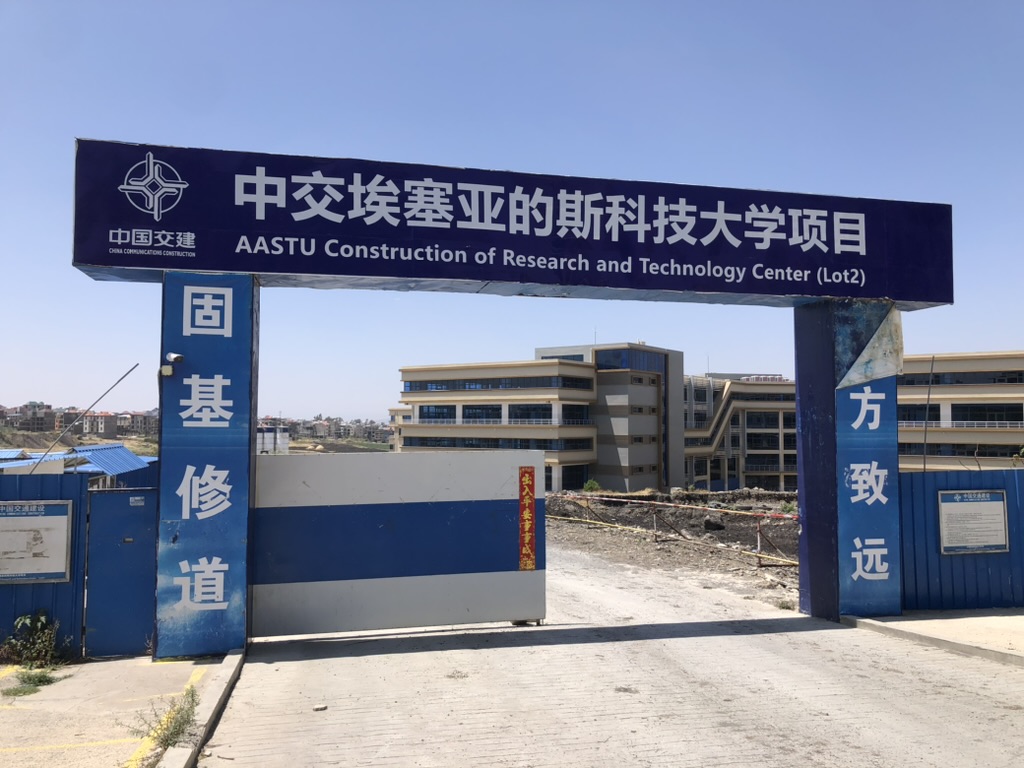
Exploring China’s digital empire, we take a multi-method approach, combining document analysis, interviews, comparative statistical data on digital dependencies and case studies based on fieldwork investigating Ethiopia’s increasing reliance on Chinese ICT companies. This is achieved in five steps/sections/approaches.
- Firstly, the project seeks to shed light on the policy learning and associated coordination processes between the Chinese party-state and companies such as Huawei, Transsion, Alibaba, and Tencent, including those related to the agency of Belt and Road Initiative host countries.
- Secondly, a quantitative dataset on digital dependencies is used to measure the control that Chinese firms have over the different layers of the digital stack in African countries, including Ethiopia.
- Thirdly, two multisite case studies examine the creation of infrastructure-related intermediaries by analysing the design and implementation of digital infrastructure. These include Telebirr, Ethiopia’s state-owned digital payment system developed by Huawei, and Alibaba’s Electronic World Trade Platform (eWTP). This will improve our understanding of how Chinese ICT firms affect the emergence of intermediaries. Fourthly, the progress of infrastructural peripheralisation will be determined, including its paradoxes and limitations, as part of China’s digital empire in the Global South. This will involve examining the extent to which the Ethiopian state, start-ups, and universities have aligned with Chinese regulatory policies and political narratives concerning digital infrastructure.
- Finally, we will consider the extent to which Chinese actors and the imperial centre are becoming more autonomous as dependencies in the periphery increase, as well as the special role that Chinese tech firms play in this development.
 Learning Empire